
Tadika PPKK Tunku Puteri Intan Safinaz
At the UUM staff housing area, Sisiran 2, the existing system was outdated, lag-prone and poorly supported. Software was already there. Reliable help was not.

Meet KIDDOS. A kindergarten management system concept built around the paperwork that keeps following teachers and parents home: registration forms, fees, receipts and the everyday stuff in between.
A TISSA × NOVAC DIGITAL VENTURE
They didn’t just guess what kindergarten operators struggle with. They went to ask. Here’s what came back in the notes.
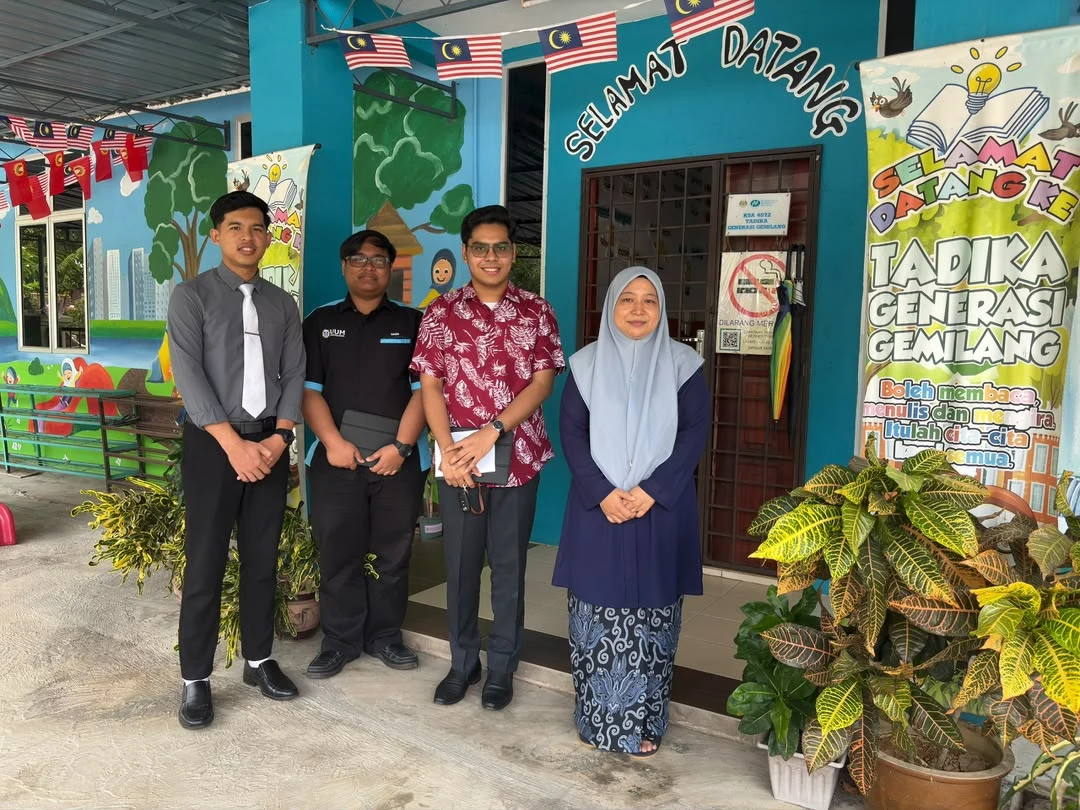
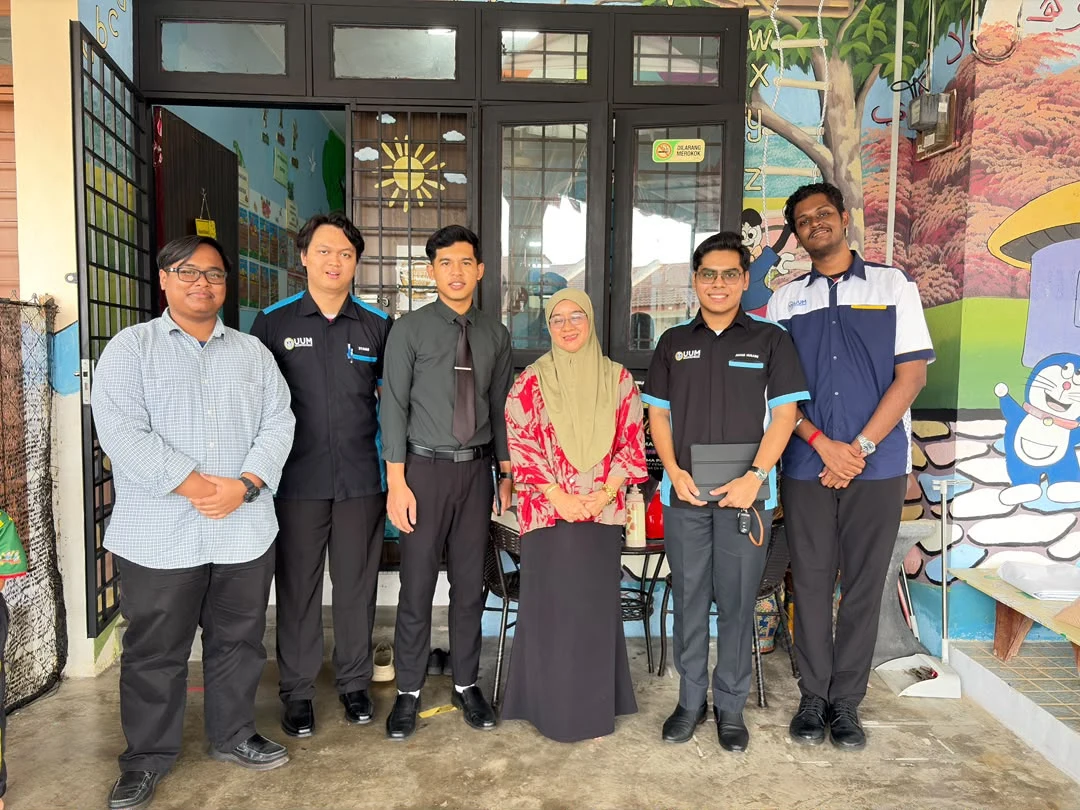
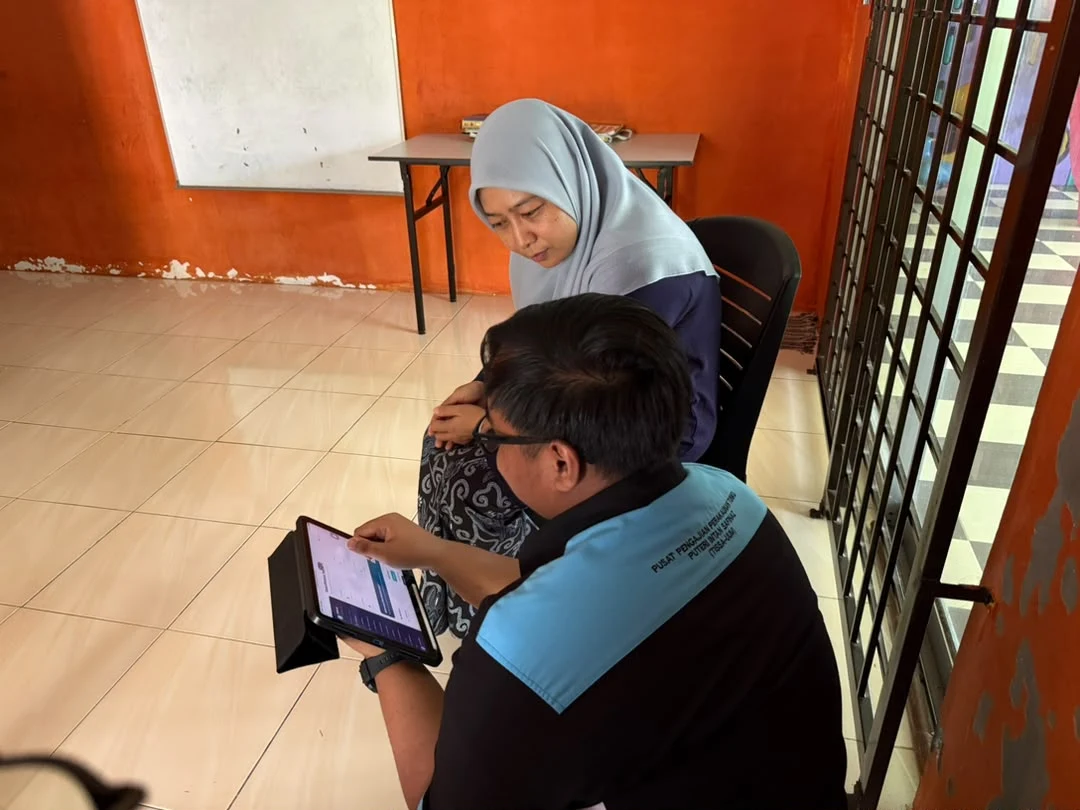
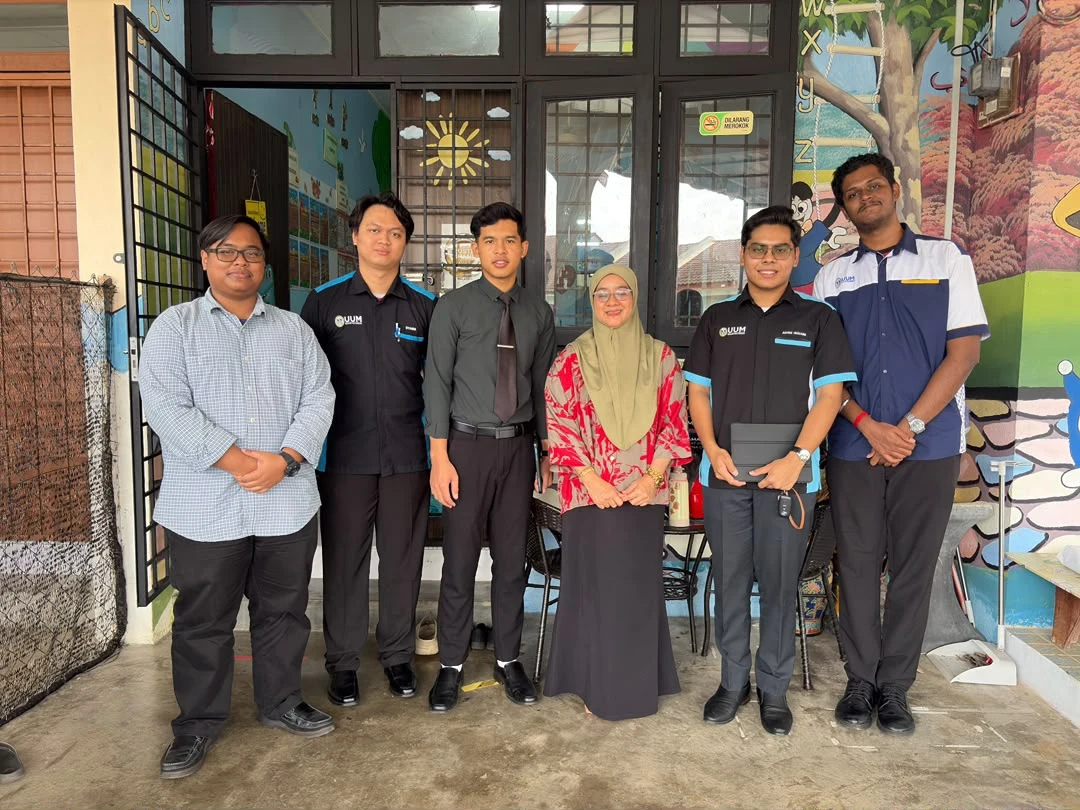
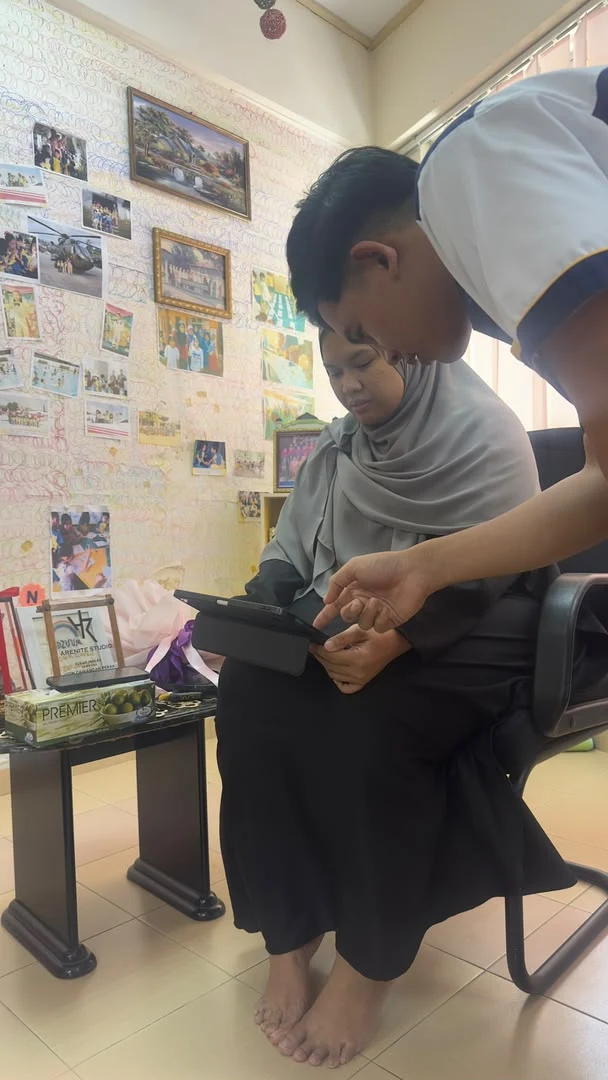
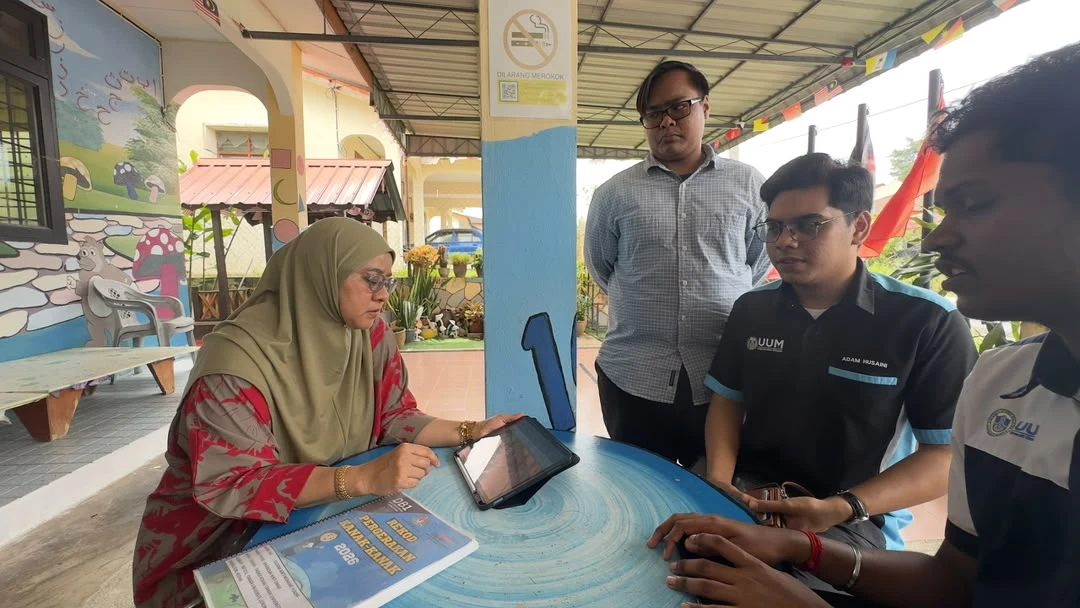
From the team’s fieldwork camera roll. Visit findings are recorded below; individual photos are not assigned to specific centres.
At the UUM staff housing area, Sisiran 2, the existing system was outdated, lag-prone and poorly supported. Software was already there. Reliable help was not.
In Taman Resak, Changlun, one teacher handled a small centre relying on manual processes. The owner was open to digital tools that could reduce repeated admin and better serve parents.
In Taman Universiti, Sintok, one teacher and one assistant used a government-provided system for internal administration. Parents had no direct access.
All three centres had different setups. One had an old system. One did things by hand. One had software that parents couldn't use. Different situations, but the same question: could this be less of a hassle?
Two issues made it into the pitch because they kept coming back to the same thing: information shouldn't disappear just when someone needs it.
Paper receipts get lost, damaged or so faded they can barely be read. Try finding an old fee receipt when you need supporting documents for a tax-relief claim years later.
Find the old receipt. Hope it's still readable. Ask the kindergarten for another copy if it isn't.
Generate an invoice, record the payment and keep an official digital receipt parents can retrieve later.
Student forms and supporting documents can be misplaced or scattered. Staff then chase the paperwork, and parents may have to submit the same things again.
Look through old folders, message the parent, collect documents again and repeat the data entry.
Online registration, organised student files and records that can be updated for the next school year.
No mysterious “digital transformation” speech. Just two everyday jobs, broken down into a much more sensible sequence.
A proposed flow from the pitch. The aim: no more digging for payment proof months later.
The kindergarten creates the student's invoice.
Amounts and the payment request are available in one place.
Once payment succeeds, a receipt can be generated.
A digital record is kept for future reference; the pitch also proposes emailing the receipt.
Because a child moving up a class should not mean doing the entire registration from scratch.
Parents complete the form without a stack of paper.
Supporting files stay with the student's record.
Class and student information can be searched and organised.
Student status changes for a new year without rebuilding the whole record.
*These are the team's planned workflows from the pitch. The live mockup may demonstrate only some steps.
The pitch has more than billing and registration. Here are the other jobs KIDDOS wants to bring together in one place.
Find student details, group children by class and keep records together instead of hunting through folders.
Prototype module · Student lists and class assignments.
Mark arrivals and absences, record supporting notes or MCs, and review attendance history.
Prototype module · Attendance entry and reporting views.
Create fees and invoices, track what has been paid and keep receipts accessible.
Prototype module · Invoices, owner payment verification and receipt PDFs. Email delivery is proposed.
Share what children have been learning and the activities happening in class.
Prototype module · Activities and progress-report views.
Make daily menus and food-allergy information easier to find. An important part of the project plan.
Prototype module · Daily menus and child allergy fields.
The proposal includes QR-based authorised pickup verification and a record of who collected a child.
Prototype module · Expiring pick-up passes, QR display/scanning and logs. Guardian identity still needs an in-person check.
Record accidents or incidents in an organised place rather than relying on scattered notes.
Prototype module · Incident recording views.
Check the information that matters without needing to call the kindergarten for every update.
Prototype module · Role-specific parent views and announcements.
The supplied PHP prototype has separate owner, teacher and parent views. These screenshots come from a local run of the team’s prototype with fictional sample records. The demo button opens their own hosted system.
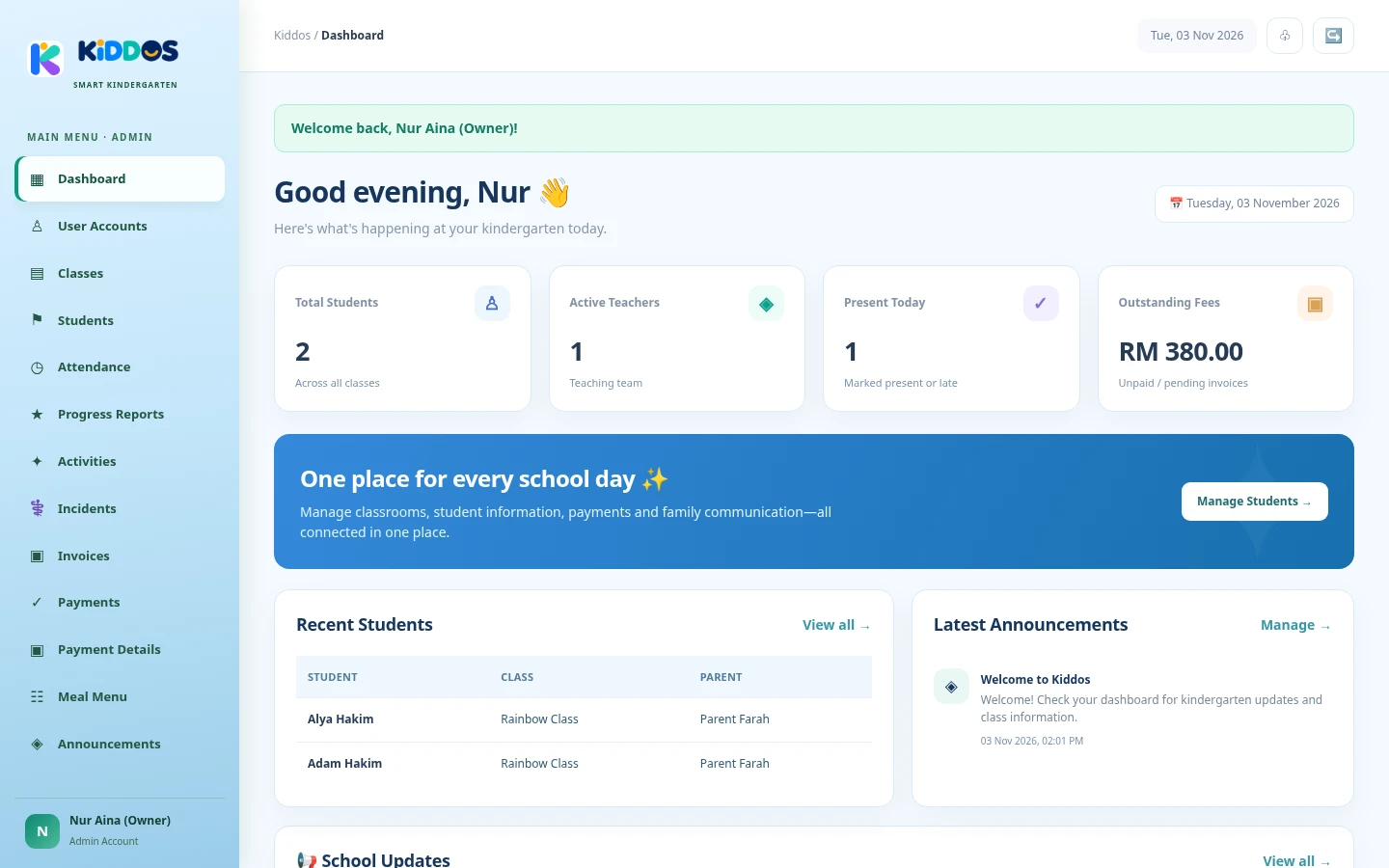
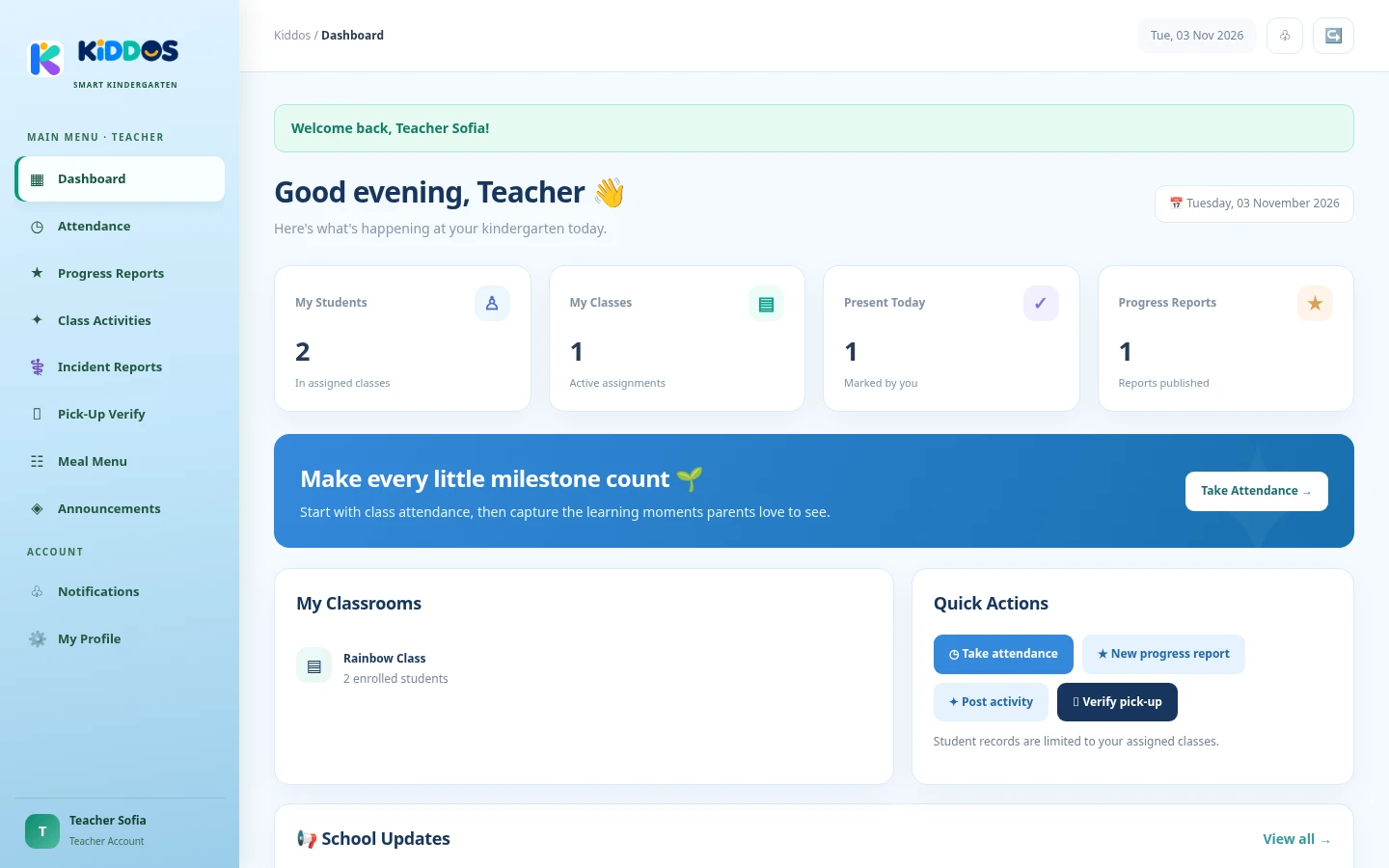
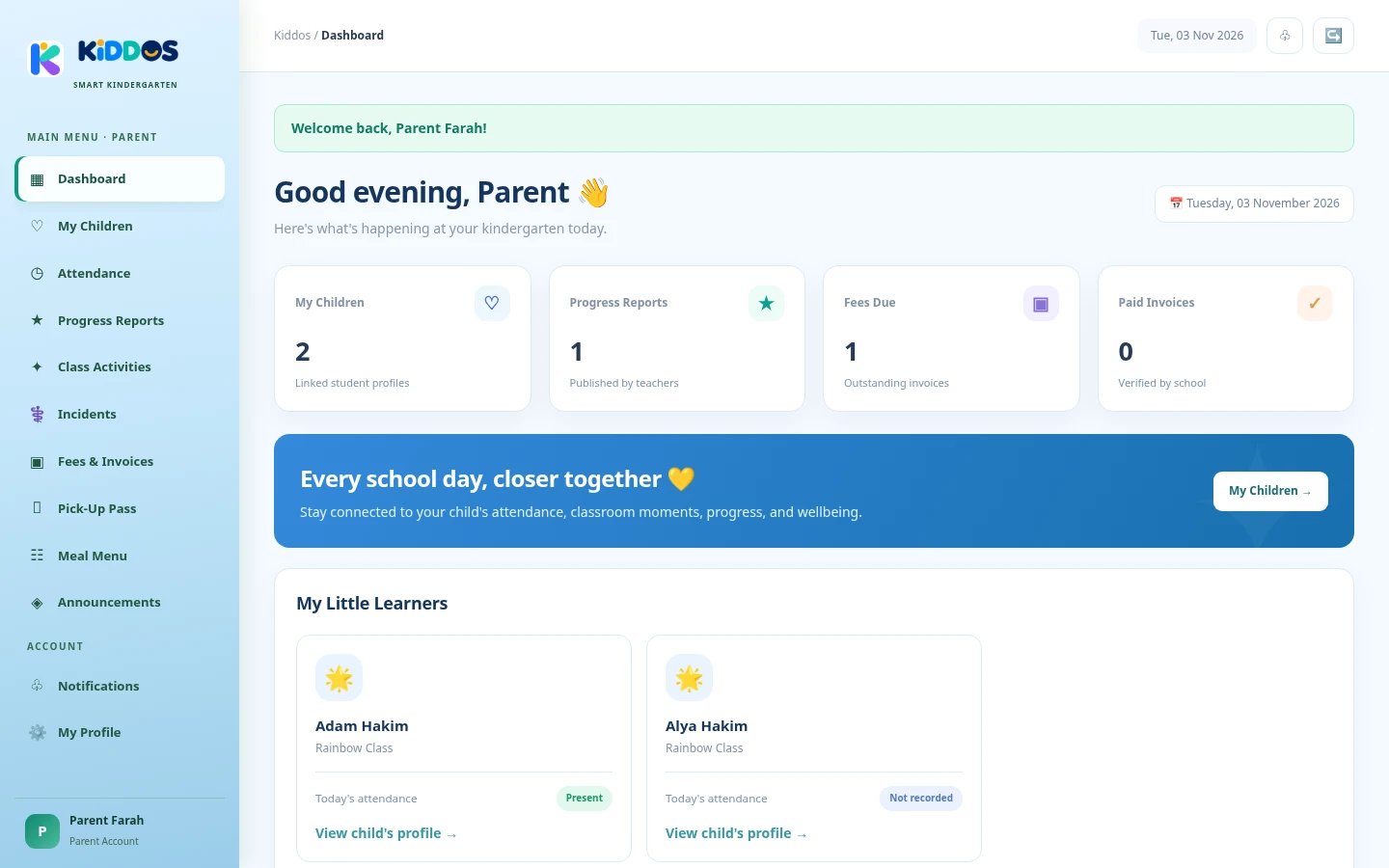
Actual prototype screens, captured locally with fictional sample records. The complete online registration workflow, automatic annual status updates and emailed receipts remain proposals. Payments in the prototype require owner verification; these screens do not demonstrate live payment processing.
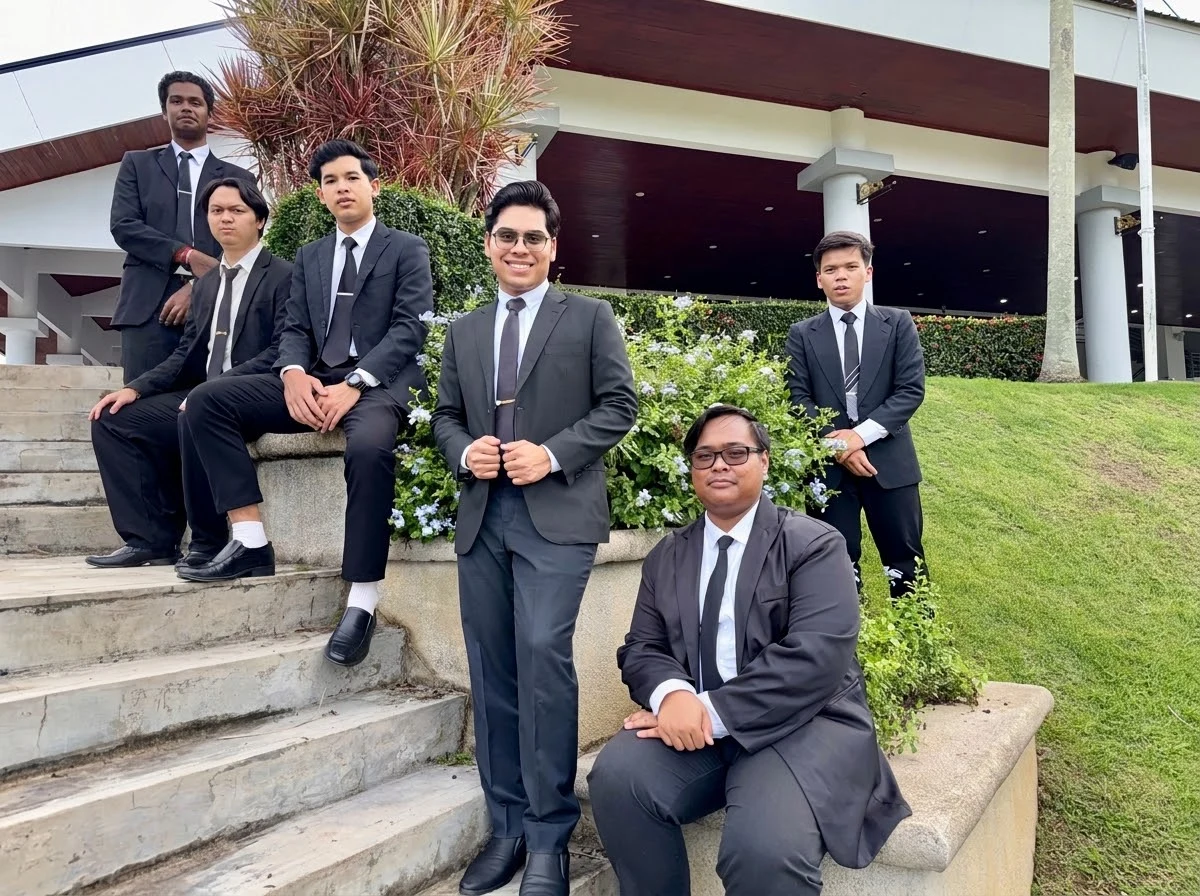
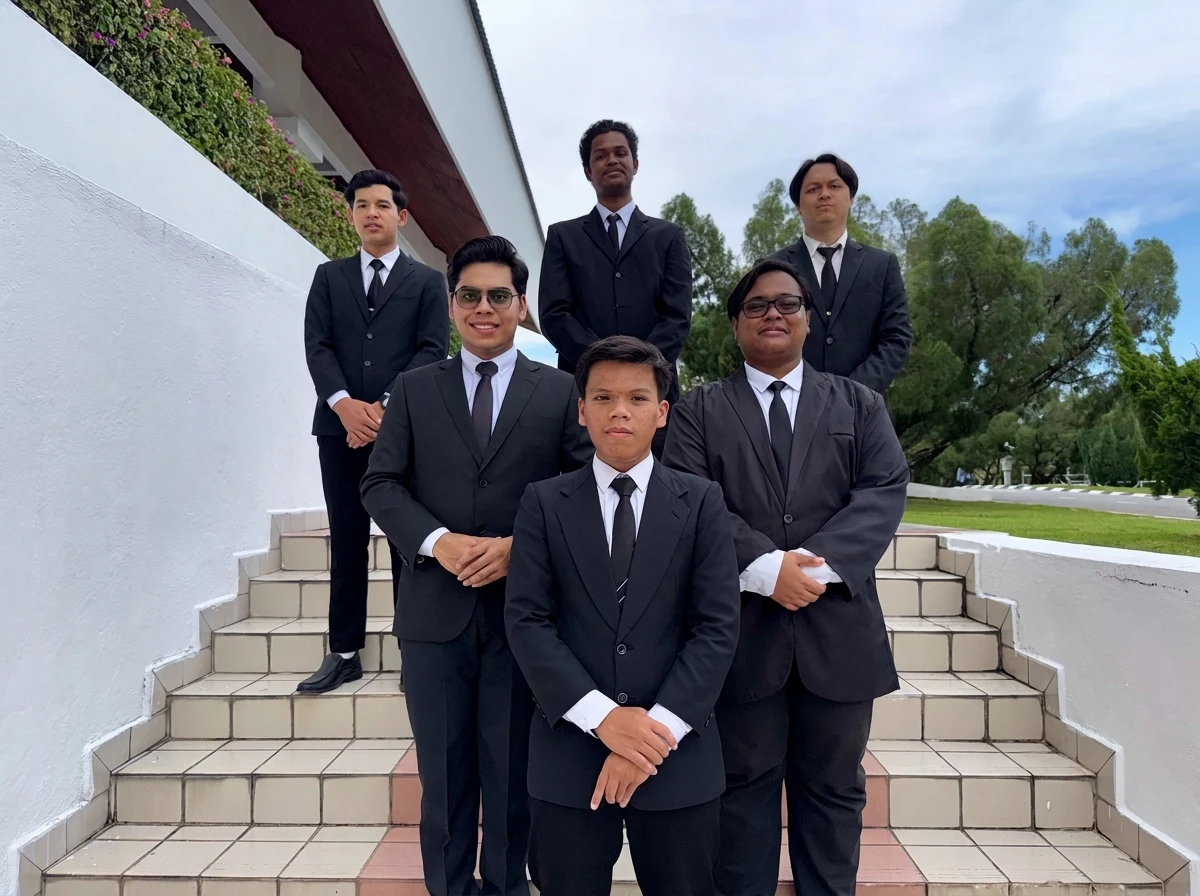
Formal portraits. Very serious blazers. A project about kindergarten admin. Click a poster to meet the person behind each job title.
A few meetings, some field notes, and the kind of photos that never make it into a stock-image library. These are the people and places behind the pitch.
Proposed subscription price per kindergarten
Concept pricing presented in the KIDDOS pitching slides, not a live purchase offer.Their pitch targets private kindergartens, particularly centres with roughly 30–150 children. That is where the team wants to begin testing whether this solves a real problem.
THE SALES PLAN? DIRECT VISITS, REAL DEMOS, A PROPOSED 30-DAY TRIAL, THEN SUBSCRIPTION AND REFERRALS.
These are scenarios from the team's pitch, not actual customers or earnings.
Projected net profit
Projected net profit
Projected net profit
Pitch assumptions: RM49 monthly fee per centre, RM47 base operating costs per month and RM5 in additional monthly costs per centre; RM100 estimated one-time setup.
KIDDOS started with real visits, real forms and real conversations. The team is trying to make those everyday jobs a little less painful.